
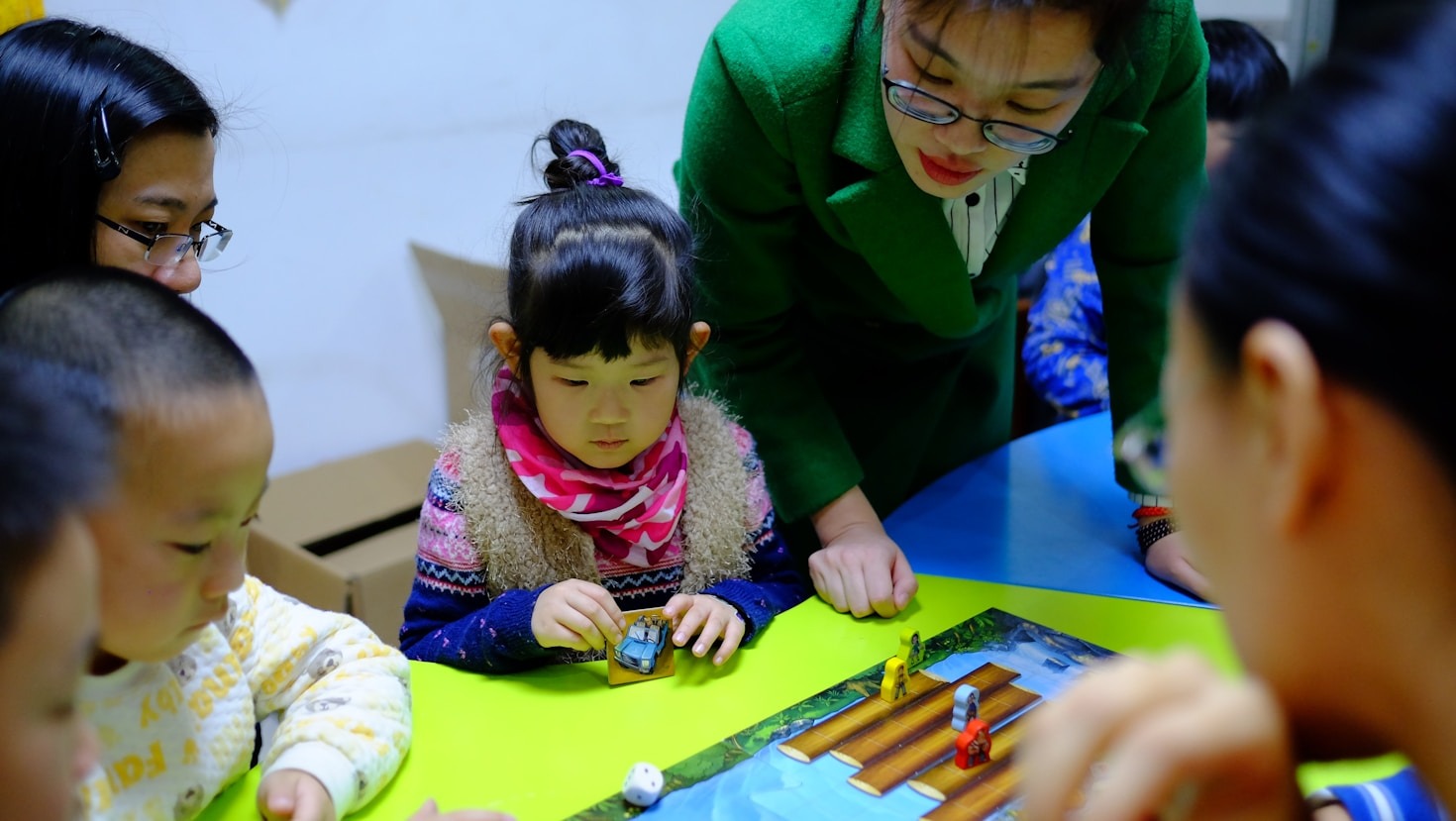
Here’s the truth: kids don’t just absorb knowledge because you tell them to. They absorb it because they’re curious, motivated, and in the right environment.
And the environment matters more than most people realize.
Think about this: a Harvard study found that children who experienced high-quality early learning environments had significantly better outcomes in education, career, and even long-term health. That’s how powerful an environment can be.
So if you’re wondering how to create an engaging environment for young learners, let’s break it down step by step.
In Montessori, the environment is the “silent teacher.” When you get it right, kids thrive. When you get it wrong, they disengage.
1. Design for independence
Montessori classrooms aren’t about flashy toys or random décor. They’re carefully curated spaces where:
- Furniture is child-sized (so kids don’t feel like guests in an adult world).
- Materials are placed within reach (so they don’t need constant adult help).
- Every activity is purposeful (not just busy work).
This setup gives children the confidence to make choices, problem-solve, and learn at their own pace.
Case in point: In a study published in Frontiers in Psychology, Montessori children showed higher executive functioning skills (like self-control and focus) compared to peers in traditional classrooms.
Independence isn’t just a buzzword. It’s a skill set.
2. Use materials that teach themselves
Traditional worksheets = memorize, regurgitate, forget.
Montessori materials = explore, discover, self-correct.
Ever notice how kids learn faster when they can see and touch? That’s why Montessori uses hands-on, self-correcting materials.
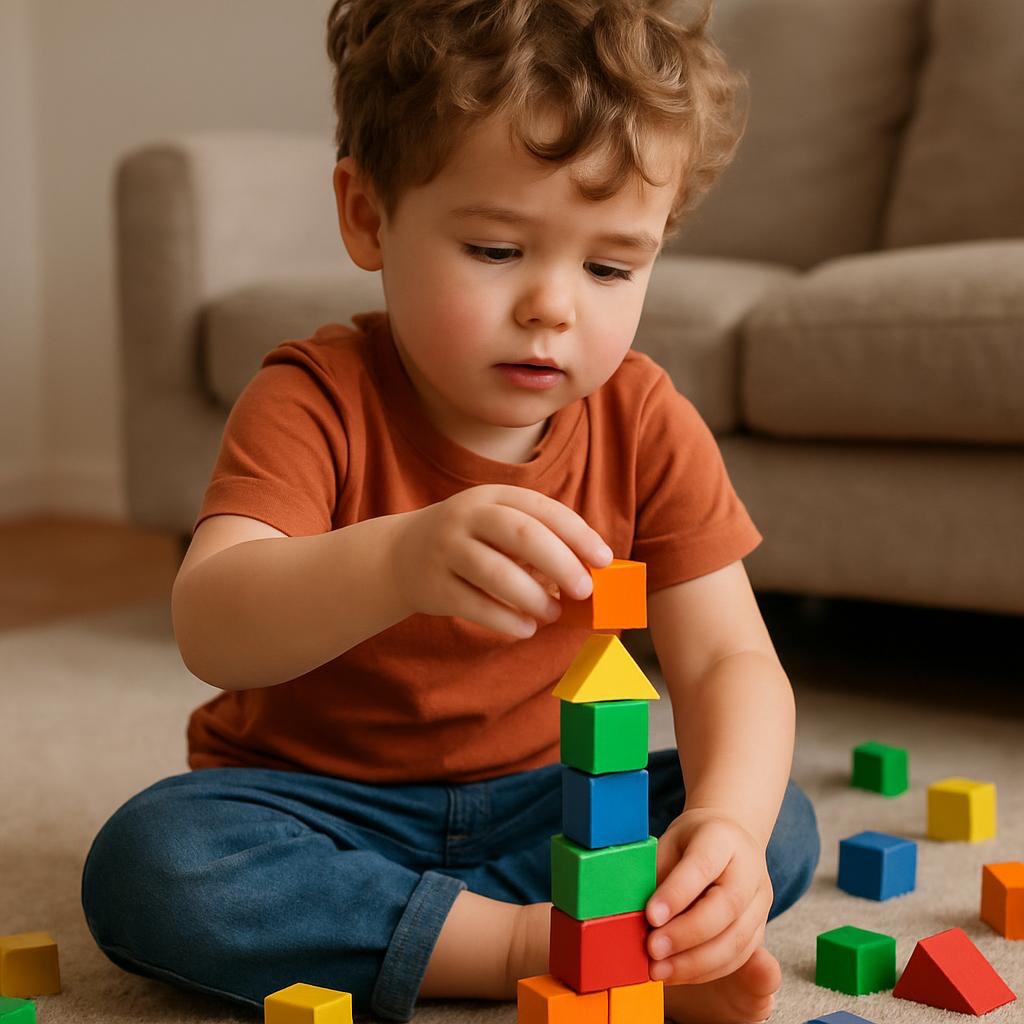
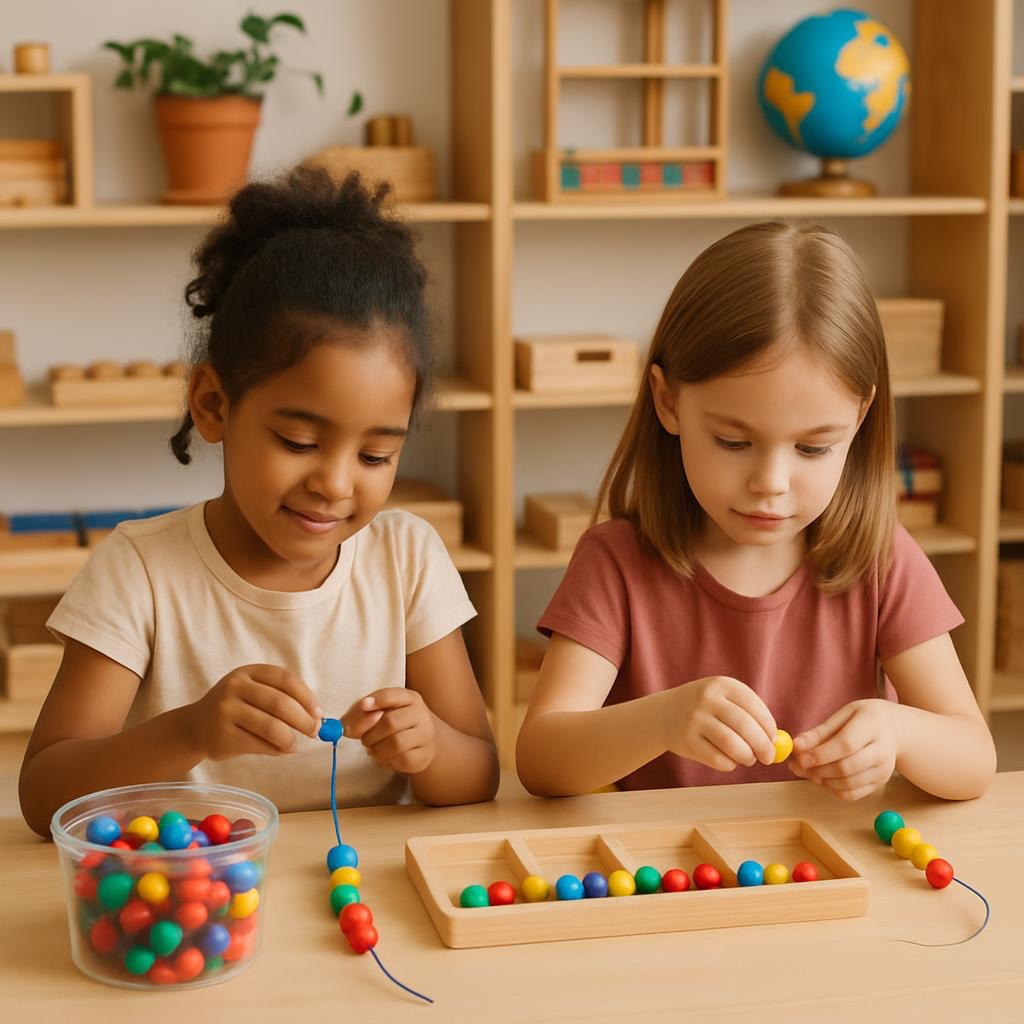
When a child stacks blocks incorrectly or places beads out of order, the material itself signals the mistake. No scolding. No red X’s. Just natural feedback.
That matters because:
- Children develop resilience (mistakes aren’t failures; they’re learning moments).
- They gain deeper conceptual understanding (not just memorization).
Example: Research from the Journal of School Psychology shows that Montessori students score higher in math and literacy by age 5 compared to peers in non-Montessori programs.
3. Mix the ages, multiply the learning
Here’s something counterintuitive: Montessori classrooms combine ages (for example, 3–6 years together)
Why?
- Younger kids learn by watching older peers.
- Older kids reinforce their knowledge by teaching.
- Everyone learns patience, empathy, and leadership.
It’s the same principle startups use when senior employees mentor interns—it strengthens both sides. It’s a win-win in a classroom as well. Kids aren’t just learning academics—they’re learning how to live in a community.
Real-world example: Google’s co-founders Sergey Brin and Larry Page both credited their Montessori experience as shaping their ability to think differently and collaborate.
4. Teachers as guides, not bosses
Traditional teaching = “Sit down. Listen. Repeat.”
Montessori teaching = “Explore. Discover. I’ll guide you when needed.”
Let’s be real: nobody thrives under micromanagement. Not adults. Not kids.
Montessori teachers aren’t “bosses.” They’re guides. They observe, step in when needed, and otherwise let curiosity lead the way.
The benefit?
- Kids learn problem-solving, not rote answers.
- They build confidence because they make real decisions.
- They develop a genuine love of learning.
The result?
Kids don’t just learn what to think. They learn how to think.
Supporting data: Studies in Science found Montessori students had stronger social skills and better conflict resolution abilities than those in conventional schools.
Why this matters for your child
An engaging Montessori environment doesn’t just prepare children for school. It prepares them for life.
Kids walk away with:
- A love for learning (intrinsic motivation)
- Independence and accountability
- Social and emotional intelligence
And those are the foundations of success—no matter where life takes them.
Bottom line
If you’re choosing an early learning program, don’t stop at “What’s the curriculum?” Ask: “What’s the environment?”
Because the environment isn’t just where learning happens. In Montessori, it is the learning.
Questions young parents frequently ask about early education:
- Q: Why is environment so important in Montessori?
- Because Montessori believes the environment is the “third teacher.” It shapes how children explore, interact, and learn every day.
- Q: What makes a Montessori classroom different?
- It’s designed for independence—child-sized furniture, hands-on materials, and mixed-age groups.
- Q: Are Montessori students better prepared for traditional school?
- Yes. Studies show Montessori students often perform better academically and socially when transitioning to traditional classrooms.
- Q: How can parents support Montessori-style learning at home?
- Simple changes—like child-height shelves, open-ended toys, and letting kids make choices—can bring Montessori principles into the home.