When parents begin exploring schooling options, one of the most common questions is how Montessori differs from traditional education. At first glance, both aim to teach children core subjects and prepare them for the future. But the philosophy, methods, and classroom experience are surprisingly different. Understanding these differences can help parents choose the learning environment that best supports their child’s growth.
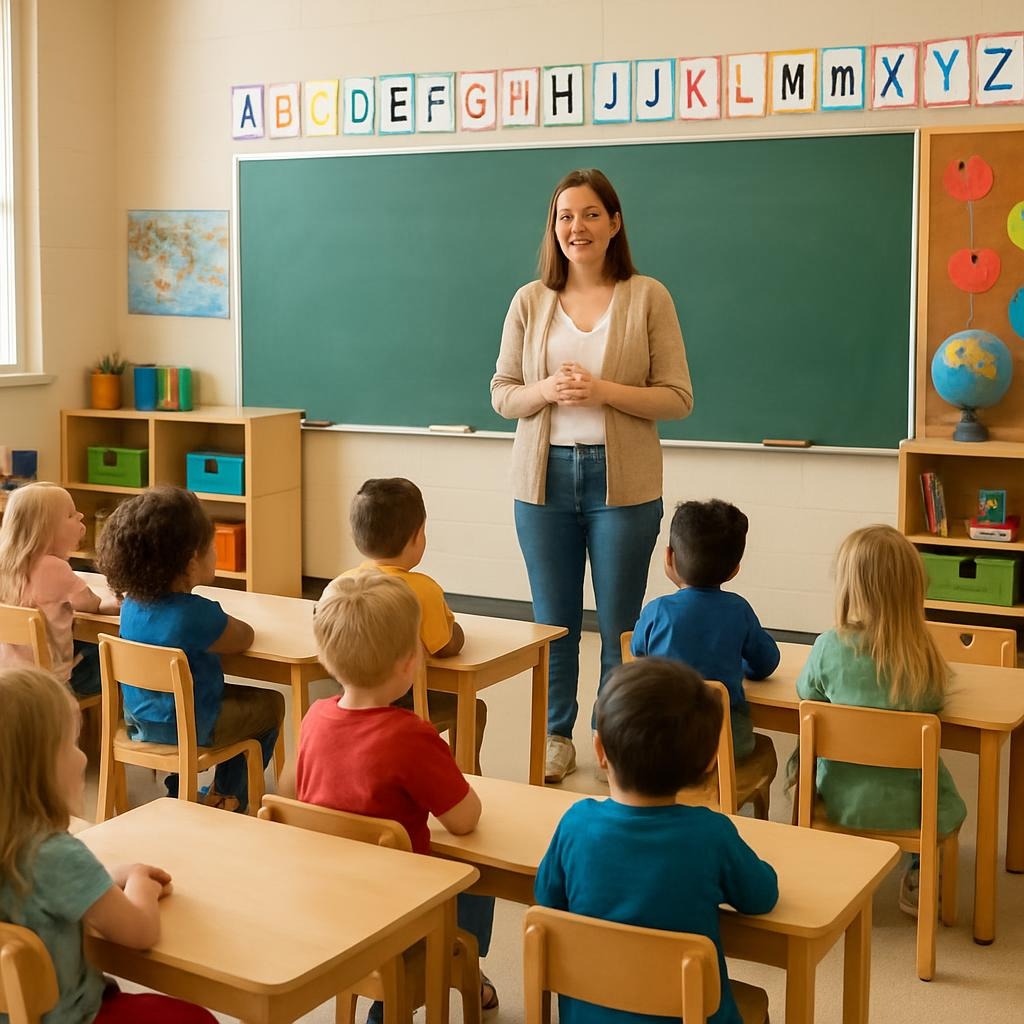
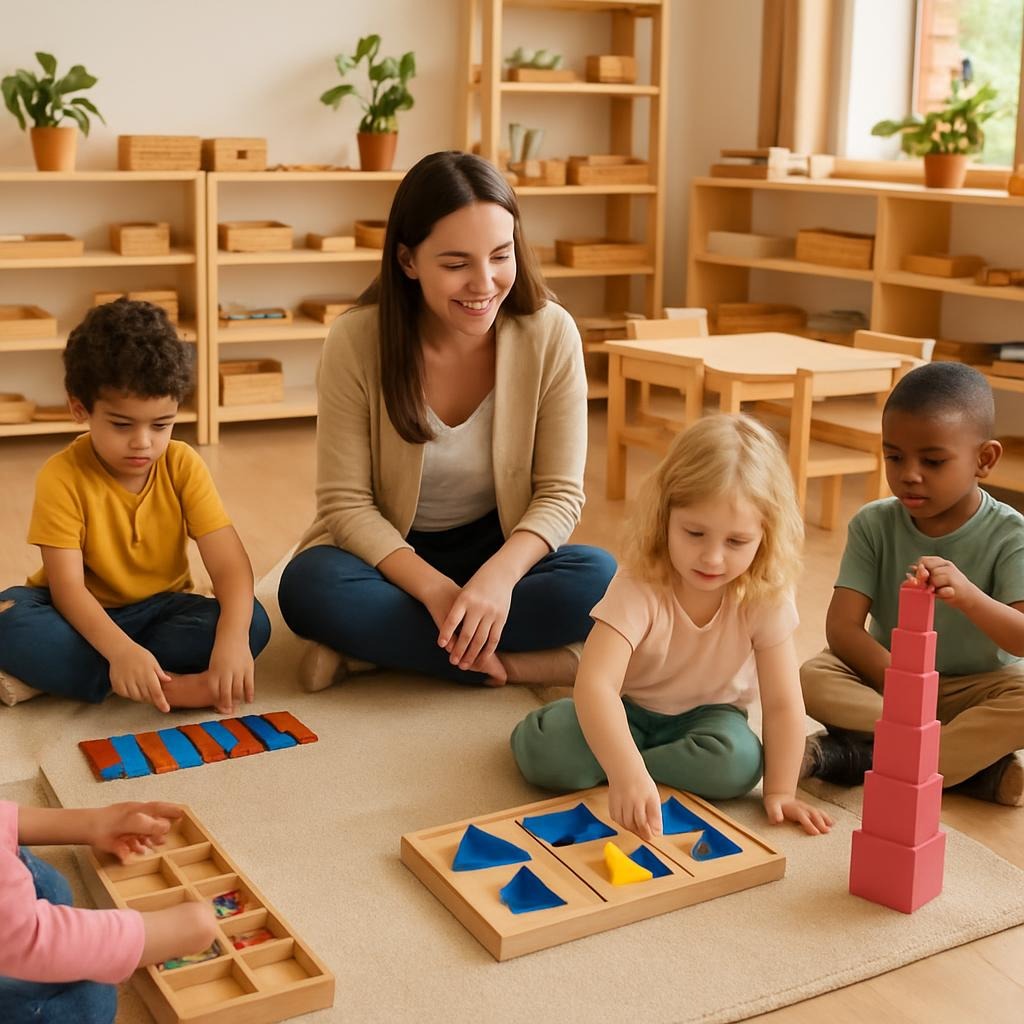
One of the most significant distinctions is the approach to learning. Traditional education often relies on a teacher-centered model, where the educator delivers information to the students, who passively receive it. Montessori education flips this dynamic. It is child-centered, emphasizing active, hands-on learning and exploration. In a Montessori classroom, children move freely, choose purposeful activities, and engage deeply with the material—developing not just knowledge, but independence, confidence, and critical thinking skills.
Another notable difference is the emphasis on standardized testing and assessment. In traditional education, students are frequently evaluated through tests and quizzes, which can create a competitive and high-pressure environment. Montessori classrooms instead use formative assessment: teachers carefully observe and document each child’s growth over time. This continuous, personalized evaluation provides a holistic view of a child’s intellectual, social, and emotional development, and guides the teacher in offering tailored support.
Classroom structure and organization also differ significantly between the two approaches. Traditional classrooms typically group children by age and follow a rigid schedule of subjects and activities. Montessori classrooms, however, feature mixed-age groups and flexible schedules, allowing children to learn at their own pace and collaborate with peers of different ages. This structure allows younger children to learn from older peers, while older students gain confidence and leadership through mentorship. The flexible schedule further supports self-directed learning, helping each child progress at their own pace while still being part of a collaborative community.
A final key difference is in the role of the teacher. In traditional education, the teacher is the authority, leading lessons from the front of the classroom. In Montessori, teachers act as guides or facilitators. They prepare the environment, introduce materials, and step back—allowing children the freedom to explore while offering support when needed. This subtle shift nurtures intrinsic motivation, self-discipline, and a lifelong love of learning.
Ultimately, while traditional education emphasizes efficiency, uniformity, and external measures of success, Montessori prioritizes curiosity, independence, and the whole child. The result is not just students who can pass exams, but learners who are prepared to thrive in school—and in life.